







So Just What is Scurvy
Anyway?Scurvy is a condition caused by a lack of vitamin C
(ascorbic acid) in the diet. Signs of scurvy include tiredness, muscle
weakness, joint and muscle aches, a rash on the legs, and bleeding gums.
In the past, scurvy was common among sailors and other people deprived
of fresh fruits and vegetables for long periods of time.
Description
Scurvy is very rare in countries where fresh fruits and vegetables are
readily available and where processed foods have vitamin C added.
Vitamin C is an important antioxidant vitamin involved in the
development of connective tissues, lipid and vitamin metabolism,
biosynthesis of neurotransmitters, immune function, and wound healing.
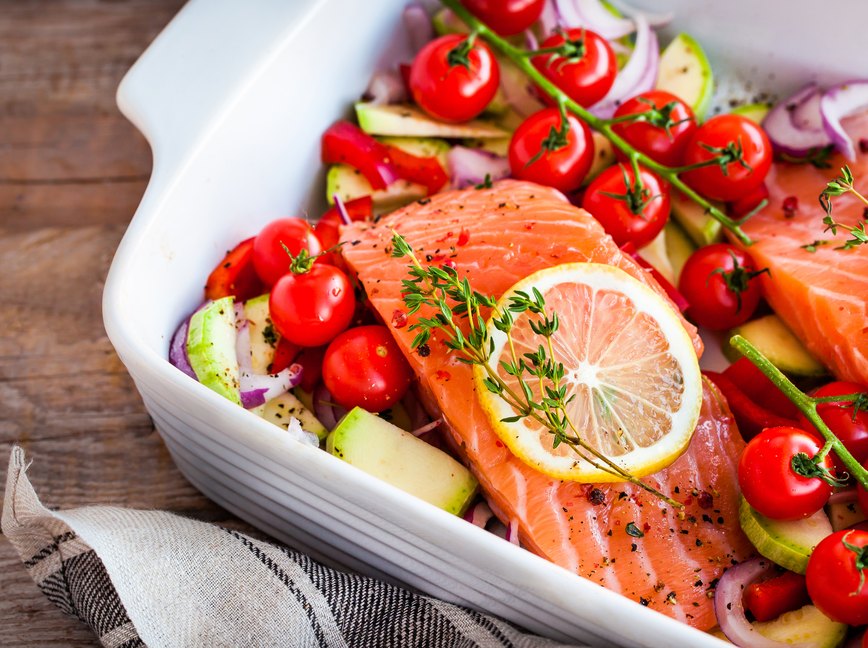
It is found in fruits, especially citrus fruits like oranges, lemons,
and grapefruit, and in green leafy vegetables like broccoli and spinach.
In adults, it may take several months of vitamin C deficiency before
symptoms of scurvy develop.
Currently, the recommended dietary allowance (RDA) for vitamin C is
50-60 mg/day for adults; 35 mg/day for infants; 40-45 mg/day for
children 1-14; 70 mg/day during pregnancy; and 90-95 mg/day during
lactation. The body's need for vitamin C increases when a person is
under stress, smoking, or taking certain medications.
Causes & Symptoms
A lack of vitamin C in the diet is the primary cause of scurvy. This can
occur in people on very restricted diets, who are under extreme
physiological stress (for example, during an infection or after an
injury) and in chronic alcoholics. Infants can develop scurvy if they
are weaned from breast milk and switched to cow's milk without an
additional supplement of vitamin C. Babies of mothers who took extremely
high doses of vitamin C during pregnancy can develop infantile scurvy.
In children, the deficiency can cause painful swelling of the legs along
with fever, diarrhea, and vomiting. In adults, early signs of scurvy
include feeling weak, tired, and achy. The appearance of tiny red
blood-blisters to larger purplish blotches on the skin of the legs is a
common symptom. Wound healing may be delayed and scars that had healed
may start to break down. The gums swell and bleed easily, eventually
leading to loosened teeth. Muscle and joint pain may also occur.
Diagnosis
Scurvy is often diagnosed based on the symptoms present. A dietary
history showing little or no fresh fruits or vegetables are eaten may
help to diagnose vitamin C deficiency. A blood test can also be used to
check the level of ascorbic acid in the body.
Treatment
Adult treatment is usually 300-1,000 mg of ascorbic acid per day.
Infants should be treated with 50 mg of ascorbic acid up to four times
per day.
Prognosis
Treatment with vitamin C is usually successful, if the deficiency is
recognized early enough. Left untreated, the condition can cause death.
Prevention
Eating foods rich in vitamin C every day prevents scurvy. A supplement
containing the RDA of vitamin C will also prevent a deficiency. Infants
who are being weaned from breast milk to cow's milk need a supplement
containing vitamin C.
Some Useful Key Terms
|
Ascorbic acid |
Another term for vitamin C, a nutrient found
in fresh fruits and vegetables. Good sources of vitamin C in the
diet are citrus fruits like oranges, lemons, limes, and
grapefruits, berries, tomatoes, green peppers, cabbage,
broccoli, and spinach. |
|
Recommended dietary allowance (RDA) |
The daily amount of a vitamin the average
person needs to maintain good health. |
Want To Learn More?
|
Books |
Stein, Jay H., editor. "Ascorbic Acid
(Vitamin C) Deficiency."
In Internal Medicine. St. Louis: Mosby, 1998. |
|